留学分析师
Title: Crafting an Effective Study Abroad Analysis Presentation
Creating a compelling study abroad analysis presentation requires careful planning, insightful data collection, and effective communication strategies. Whether you're presenting to academic advisors, potential sponsors, or fellow students, your goal is to convey the value and feasibility of studying abroad. Here's a comprehensive guide to help you craft an impactful study abroad analysis PowerPoint presentation.
Introduction: Setting the Stage
Begin your presentation with a brief introduction to the topic. Outline the purpose of your analysis, such as exploring the benefits of studying abroad, evaluating potential destinations, or assessing the financial implications. Clearly state your objectives to provide context for the audience.
Key Components of a Study Abroad Analysis
1.
Benefits of Studying Abroad:
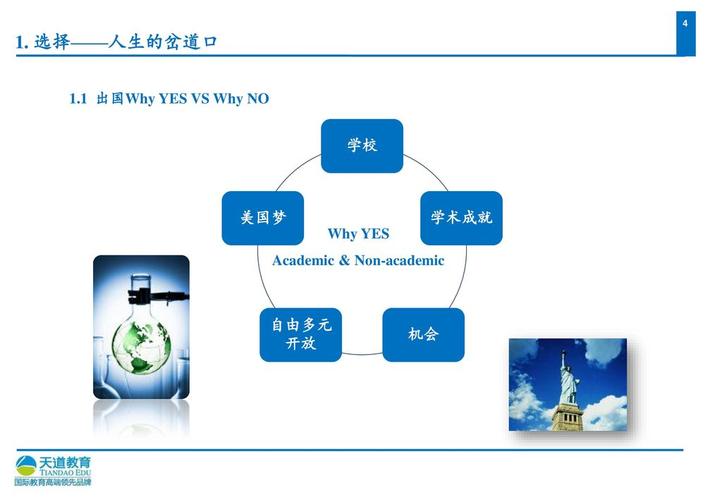
Discuss the academic, cultural, and personal benefits of studying abroad, such as language acquisition, intercultural competence, and global networking opportunities.
Include testimonials or quotes from past participants to illustrate the transformative impact of studying abroad.
2.
Destination Selection Criteria:
Identify the criteria used to evaluate potential study abroad destinations, such as academic reputation, program offerings, cost of living, safety, and cultural immersion opportunities.
Provide a comparative analysis of multiple destinations to help stakeholders make informed decisions.
3.
Financial Considerations:
Break down the costs associated with studying abroad, including tuition fees, accommodation, travel expenses, and daily living expenses.
Explore funding options such as scholarships, grants, student loans, and parttime work opportunities to mitigate financial barriers.
4.
Academic Planning:
Outline the academic requirements for studying abroad, including credit transfer policies, course equivalencies, and academic support services available to students.
Highlight how studying abroad aligns with academic goals and enhances the overall learning experience.
5.
Logistical Preparation:
Provide practical information on visa requirements, health insurance, housing arrangements, transportation, and cultural adaptation strategies.
Offer tips for navigating logistical challenges and maximizing the study abroad experience.
Data Analysis and Findings
Present the findings of your analysis using charts, graphs, and visuals to enhance clarity and engagement. Incorporate quantitative data, such as cost comparisons, student demographics, and program satisfaction ratings, to support your arguments.
Case Studies and Success Stories
Include case studies or success stories of students who have benefited from studying abroad. Share their experiences, challenges faced, and lessons learned to inspire and motivate your audience.
Recommendations and Next Steps
Based on your analysis, provide recommendations for stakeholders, such as academic advisors, students, and administrators. Highlight actionable steps to facilitate the study abroad process, including application deadlines, program selection tips, and resources for further assistance.
Conclusion: Wrapping Up
Summarize the key points of your presentation and reiterate the value of studying abroad. Encourage stakeholders to embrace the opportunity for personal and academic growth through international education.
Q&A Session: Addressing Concerns
Allocate time for a Q&A session to address any concerns or inquiries from the audience. Be prepared to provide additional information and clarification on various aspects of studying abroad.
Closing Remarks: Inspiring Action
End your presentation with a call to action, encouraging stakeholders to take proactive steps towards realizing their study abroad goals. Thank the audience for their time and participation.
Crafting an effective study abroad analysis presentation requires thorough research, thoughtful planning, and persuasive communication. By following these guidelines and incorporating relevant data and insights, you can create a compelling presentation that inspires and informs your audience about the transformative power of studying abroad.
References:
Include a list of references or sources consulted during your analysis to support the credibility of your presentation.
This HTML output provides a structured guide for creating a comprehensive study abroad analysis presentation, covering key components, data analysis, case studies, recommendations, and more. You can further customize the content and design to suit your specific audience and objectives.






0 条评论